Explain how the example of the sari reflects both unity and diversity. Class 6
Explain how the example of the sari reflects both unity and diversity. Class 6
Let us Explore (Page 129)
Question 1.
Explain how the example of the sari reflects both unity and diversity (in 100-150 words). Class 6
Answer:
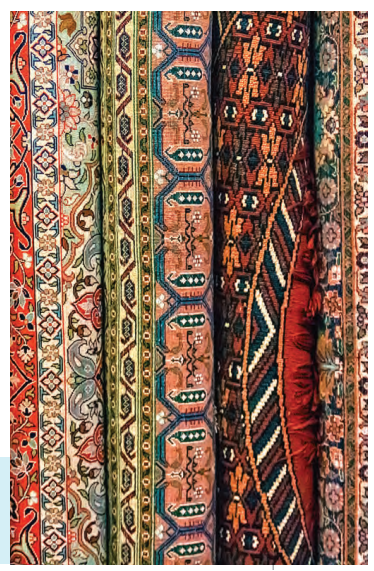
From these different materials, unstitched piece of cloth is woven. While weaving some designs may be made. Plain cloth may be printed. There are endless varieties of colour and designs. The saree has a long history. The earliest record of women wearing sarees is from the Indus Valley Civilisation, which dates back to around 5,000 BCE. There are different variations and quality of sarees in different states of India.
The Banarasi saree from Varanasi in Uttar Pradesh is mostly woven with gold and silver threads. Kanchipuram in a city of Tamil Nadu famous for its handloom sarees, silk and silk cotton sarees. In Mysore, saree are made with mulberry silk known as Mysore silk. In Gujarat, Patan sarees are made from silk. Patola is a double ikat woven sari. These sarees are very expensive. Paithani sarees are made by hand in Aurangabad district in Maharashtra. No matter different the sarees are, they represent Indian culture, bringing women together.