How did foreign invasions and the rise of new dynasties reshape India's political boundaries Class 8
R
RBSEGuide
How did foreign invasions and the rise of new dynasties reshape India's political boundaries Class 8
How did foreign invasions and the rise of new dynasties reshape India's political boundaries during this period ? Class 8
Answer:
Foreign Invasions :
- Turkish invasion (11th-12th Century): Invasions of Mahmud Ghazni and Muhammad Ghori led to fall of many Rajput kingdoms and paved the way for Muslim rule in North India.
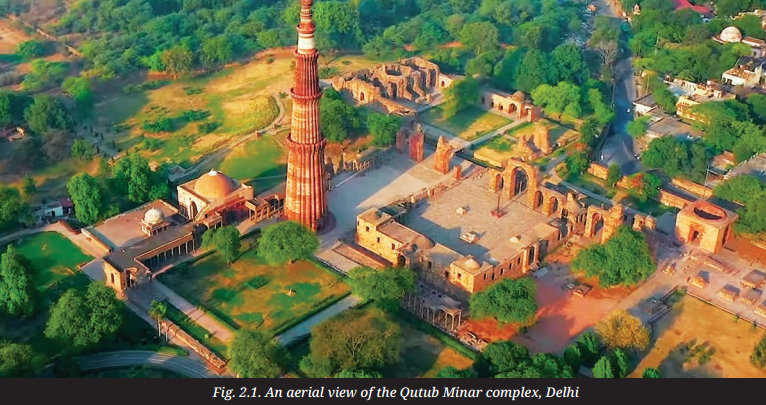
- Establishment of the Delhi Sultanate (1206): After death of Muhammad Ghori's his generals like Qutub-ud-Aibak created the Delhi Sultanate which, replaced many small kingdoms with a centralized Islamic empire.
- Timur's invasion (1398): Timur's attack severely weakened the Delhi Sultanate. This allowed regional kingdoms such as Vijayanagara, Bahmani and Bengal Sultanates to assert greater independence.
- Babur's invasion (1526): Babur defeated the Delhi Sultan Ibrahim Lodi in the First Battle of Panipat and founded the Mughal Empire. This marked a major shift in political control, leading to new boundaries across North and Central India.
Rise of New Dynasties :
- Mughal Dynasty (1526-1707 and beyond): The Mughal's starting with Babur, gradually extended their rule across most of India. Under rulers like Akbar, Jahangir and Shahjahan, the empire reached its peak, absorbing many former sultanates and kingdoms.
- Vijanagara Empire (1336-mid-1600): In the south, the Vijayanagara empire rose to power in response to northern invasions. It became a major southern power, controlling vas parts of the Deccan and protecting Hindu traditions.
- Marathas and Sikhs (17 century) : Aurangzeb's long wars weakened the Mughal empire. This gave rise to powers like the Marathas in the Deccan and Sikhs in Punjab, who started asserting independence and redrawing regional borders.
- Decline of Central Authority: After the death of Aurangzeb, the Mughal Empire fragmented. Many provinces became independent or semi-independent, leading to a politically divided and unstable India with changing boundaries.